Why Avoiding the Mirror in Dance Cardio Class Might Be Slowing You Down
Quick Answer: Avoiding the mirror in dance cardio protects comfort short-term but slows down learning choreography and correcting form, since visual feedback is one of the fastest ways the brain catches timing and alignment errors. A middle path — glancing rather than staring — gets most of the benefit without the discomfort.
The instinct to look anywhere but your own reflection during a fast-paced dance cardio class is completely understandable. It’s also quietly working against how quickly you’ll actually pick up the choreography.
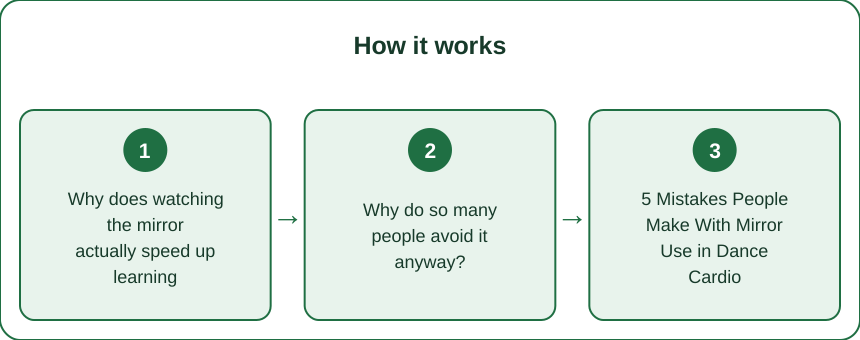
Why does watching the mirror actually speed up learning choreography?
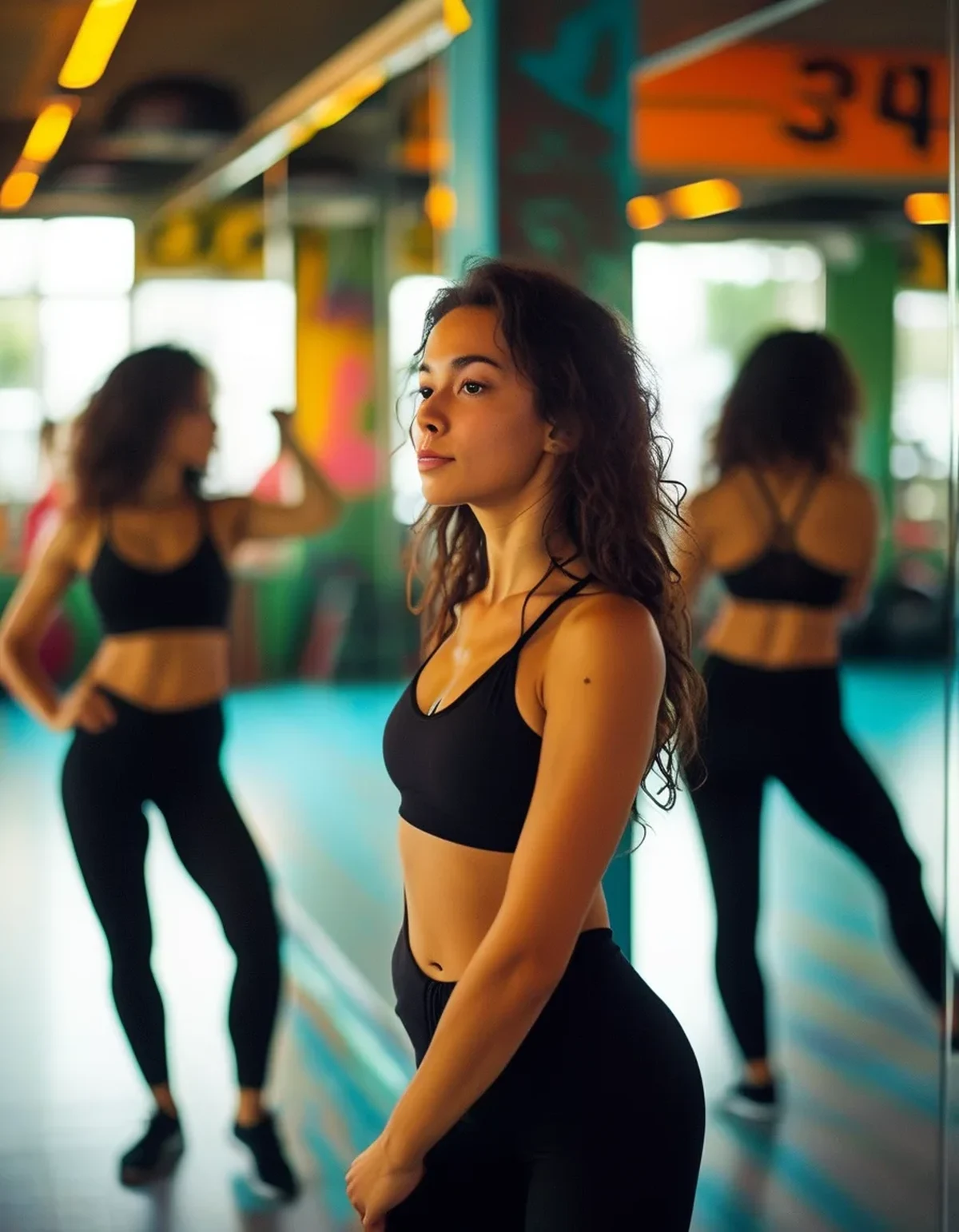
Visual feedback lets your brain compare what you’re doing against the instructor’s movement in real time, catching a delayed beat or wrong arm position faster than internal body awareness alone can.
Dancers and instructors rely on mirrors precisely because self-correction from feel alone is slower and less precise than seeing the mismatch directly.
Why do so many people avoid it anyway?
Self-consciousness about how you look mid-movement is common, especially early on when coordination hasn’t caught up with the choreography yet — watching yourself “fail” in real time feels exposing.
This discomfort is real, but it’s worth separating from the actual functional value the mirror provides for learning.
5 Mistakes People Make With Mirror Use in Dance Cardio
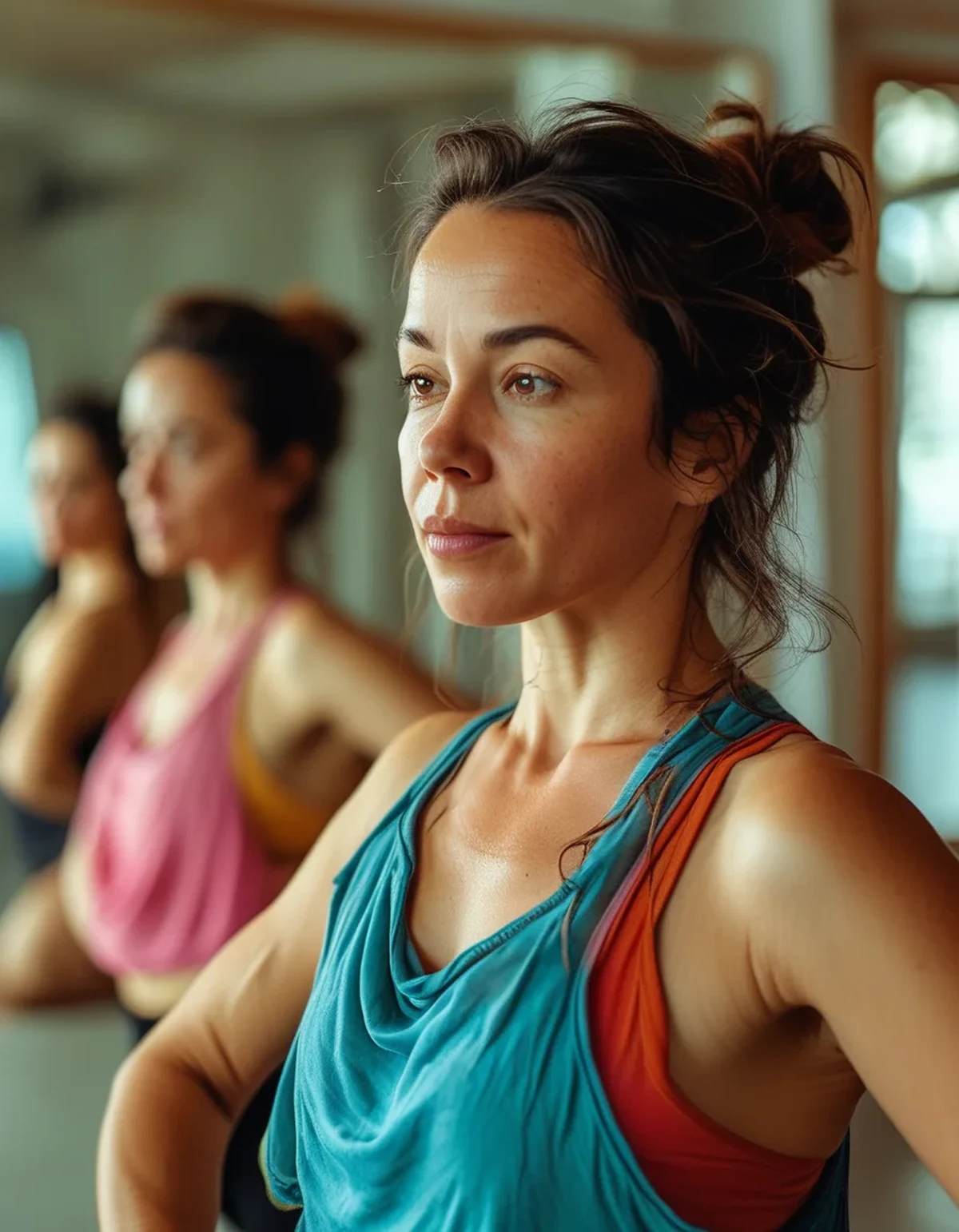
1. Staring only at their own face instead of using peripheral vision to catch the instructor’s demo alongside their own movement.
2. Avoiding the mirror entirely, missing consistent feedback on timing and form.
3. Comparing themselves to other people in the mirror instead of just their own movement versus the instructor’s.
4. Only checking the mirror during easy sections, missing the exact moments (fast transitions) where feedback matters most.
5. Standing in the back specifically to avoid mirror visibility, which also often means a worse sightline to the instructor.
What’s a middle-ground approach if full mirror use feels uncomfortable?
Glance rather than stare — a quick check during transitions or when you feel off-beat, rather than continuous eye contact with your reflection for the full class.
Standing at a slight angle to the mirror (rather than dead-center) also reduces the feeling of being watched while still giving peripheral access to visual feedback.
FAQ: Dance Cardio Mirror Use Questions, Answered
Do professional dancers actually use mirrors to learn choreography?
Yes — mirror work is a standard training tool precisely because visual self-feedback catches errors faster than feel alone, even for advanced dancers.
Is it normal to feel self-conscious watching yourself in dance cardio?
Very common, especially as a beginner — the discomfort typically fades as choreography confidence builds over several classes.
Should beginners avoid the mirror until they’re more coordinated?
The opposite is usually more helpful — beginners benefit most from mirror feedback since that’s when timing and form errors are most frequent and most correctable.
TL;DR:
- The mirror speeds up choreography learning by giving real-time visual feedback
- Discomfort watching yourself is common and normal, especially early on
- A quick glance during transitions gets most of the benefit without full-class staring
- Beginners benefit most from mirror feedback, not least — it’s when errors are most correctable
The mirror isn’t there to judge you mid-move — it’s the fastest feedback loop the class offers, and skipping it just means learning the routine the slower way.
Keep Reading
This article is for general informational and styling purposes only. Fit, sizing, and product availability may vary.