How Song BPM Quietly Controls the Intensity of Your Dance Cardio Workout
Quick Answer: A song’s BPM (beats per minute) directly drives dance cardio intensity — tracks in the 120-135 BPM range suit moderate, sustainable cardio, while 140-160+ BPM tracks push into high-intensity interval territory, which is why the exact same choreography feels totally different set to two different songs.
Most people choose dance cardio playlists for vibe alone. BPM is the actual dial controlling how hard the workout hits.
Why does BPM matter more than the choreography itself?
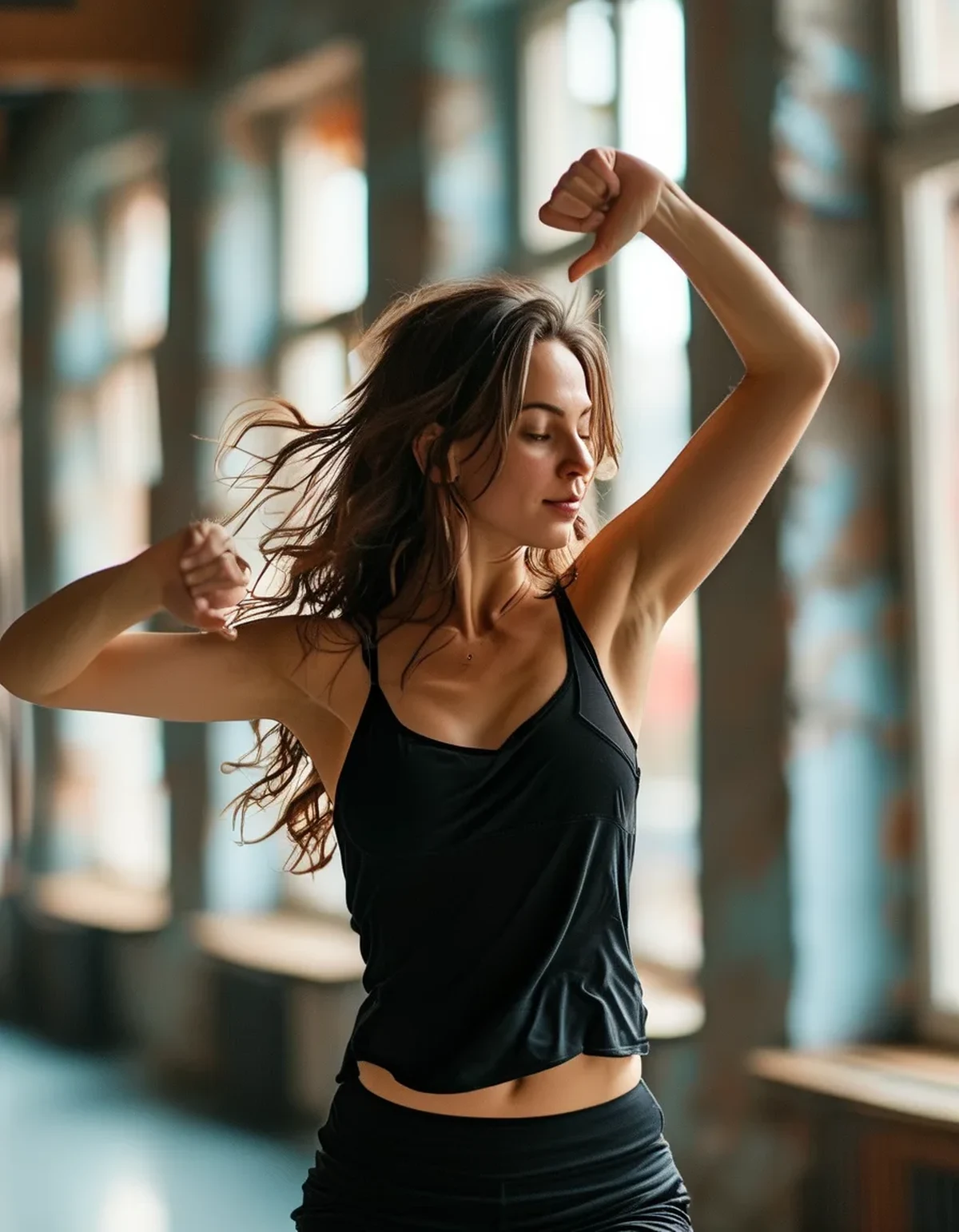
Your body’s movement speed is largely dictated by the beat you’re moving to, so a higher BPM forces faster steps, quicker direction changes, and less recovery time between movements — even if the choreography itself doesn’t change. This is why instructors deliberately choose playlists by BPM range, not just by genre or mood.
What BPM range is best for beginners?
Starting in the 110-125 BPM range lets you learn footwork and coordination without the tempo forcing rushed, sloppy movement. As coordination improves, moving up to 130-140 BPM adds cardio intensity while keeping form manageable.
Can BPM be used to structure interval training within a dance cardio session?
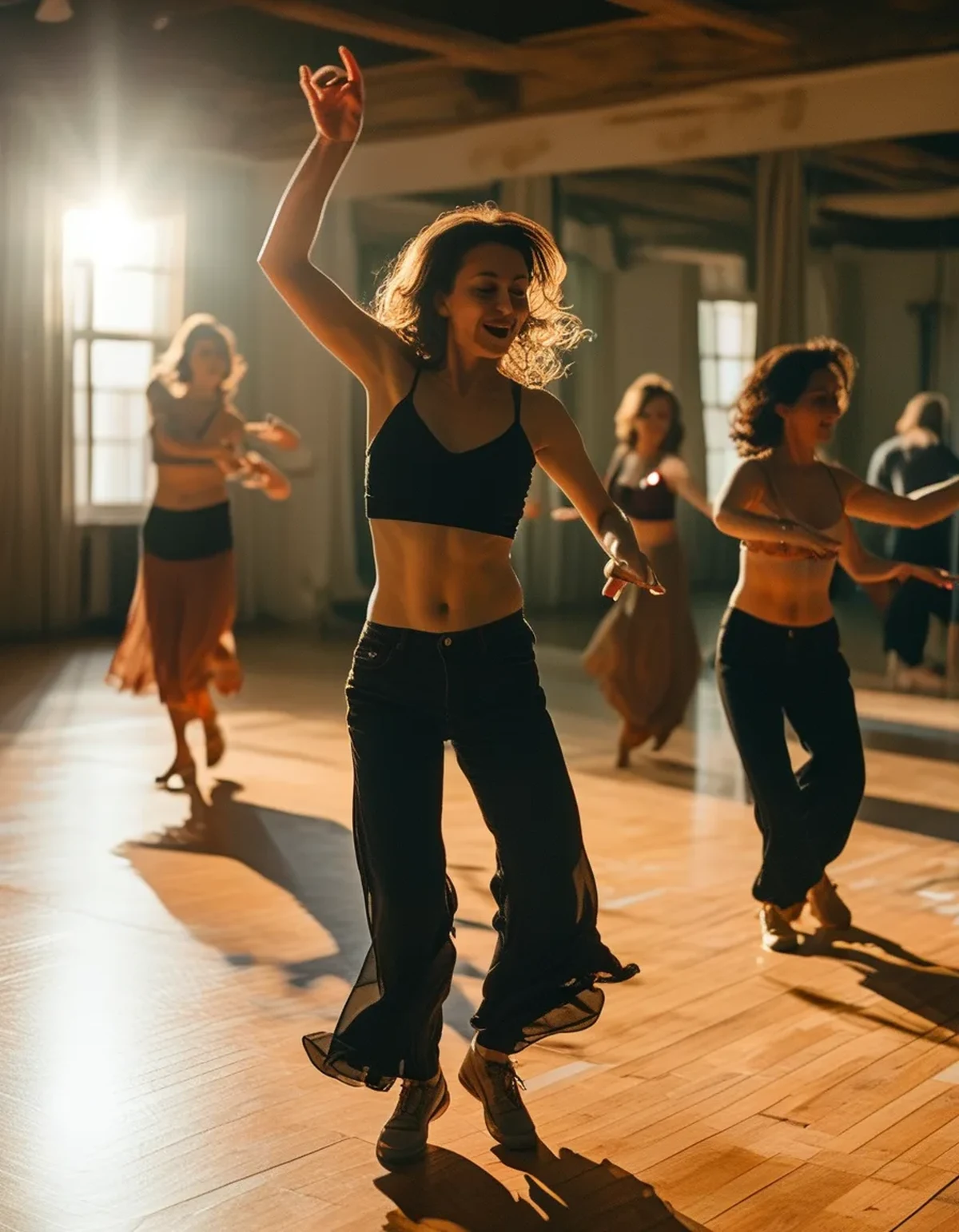
Yes — alternating higher-BPM tracks (140+) with lower-BPM recovery tracks (110-120) creates a natural interval structure, similar to sprint-and-recover training in running. This is a common technique in structured dance cardio classes even when it isn’t explicitly labeled as intervals.
Myth vs Fact: Dance Cardio and Music
Myth: faster songs always burn more calories. Fact: past a certain BPM, form often breaks down and range of motion shrinks, which can actually reduce the workout’s effectiveness compared to a slightly slower song performed with full, controlled movement. Myth: any upbeat playlist works for structured training. Fact: mixing wildly different BPMs without intention makes it hard to build a progressive, trackable workout.
FAQ: Dance Cardio BPM Questions, Answered
How do you find a song’s BPM before building a playlist?
Many music streaming and DJ-focused apps display BPM directly, or free BPM-detection tools online can analyze a track from a link.
Is a consistent BPM playlist better than a varied one?
For beginners, a consistent moderate BPM playlist builds confidence; for building fitness over time, a varied BPM playlist that intentionally alternates intensity tends to produce better conditioning.
Does dancing off-beat to a high-BPM song still count as a good workout?
It can still raise heart rate meaningfully, but movement quality tends to suffer when consistently dancing off-beat, which is worth addressing with slower practice tracks before pushing tempo again.
TL;DR:
- BPM is the real intensity dial in dance cardio, more than the choreography itself
- 110-125 BPM suits beginners; 140+ BPM pushes into high-intensity territory
- Alternating BPM ranges builds a natural interval structure
- Full, controlled movement at a moderate BPM often beats sloppy movement at a fast one
Next playlist you build, check the BPM before you check the vibe — it’s doing more work than you think.
Keep Reading
This article is for general informational and styling purposes only. Fit, sizing, and product availability may vary.